Vice News, 2020, 12:28… In the third and final installment of UNSAFE: Learning from America’s School Shootings, VICE News Tonight explores one of the stranger and lesser-known dimensions of Columbine’s legacy.

The Take, 2020, 21:10… Why do so many stories about racism revolve around the White Savior? In 2020, as the Movement for Black Lives grew in the wake of the killings of George Floyd, Breonna Taylor, and others, The Help experienced a resurgence in popularity, becoming one of the most-streamed movies on Netflix. The 2011 film about a white woman confronting racism may be well-intentioned, but—like Green Book, The Blind Side, and other White Savior movies before it—The Help centers its story on benevolent white characters, rather than on firsthand black perspectives. How did this trope become so persistent? Here’s our Take on the dangers of the White Savior, and how we can change our own narratives and conversations to become more anti-racist ourselves.
Vice, 2021, 7:03… It’s been well established that belief in conspiracy theories is related to a disbelief in actual science. The whole toxic frustration of conspiracy theorists is that they can never be proven wrong – all evidence against their ideas just becomes part of the conspiracy. This is largely why, even though they seem obsessed with science, they always get actual science so wrong. From the moon landing to flat earth to 5G, there has been a constant battle in modern times between science and conspiracy.
Vox, 2021, 22:53… Many of us assume that tech is neutral, and we have turned to tech as a way to root out racism, sexism, or other “isms” plaguing human decision-making. But as data-driven systems become a bigger and bigger part of our lives, we also notice more and more when they fail, and, more importantly, that they don’t fail on everyone equally. Glad You Asked host Joss Fong wants to know: Why do we think tech is neutral? How do algorithms become biased? And how can we fix these algorithms before they cause harm?
Vice, 2020, 4:58… A set of laws known as the penal code was exported from Britain to its colonies and is still affecting LGBTQ politics to this very day. The penal code laws made being gay a criminal offense, and while Britain decriminalized homosexuality in 1967, it’s still illegal in over 30 former British colonies. These countries didn’t have a history of homophobia before Britain enforced their own ideas of morality, but thanks to the empire these laws mean many live in fear.
8-Bit Philosophy, 2014, 3:51… Consider a world without money, without class divisions, where everyone gives according to their abilities and takes according to their needs. This sounds like a great world to live in, right? To Karl Marx, this communist utopia was not only possible, it was inevitable.
Vox, 2021, 22:08… Housing policy in the United States has a long history of deepening segregation. Redlining, exclusionary lending, and targeted zoning laws have all played a role in isolating minority populations while simultaneously privileging white residents. Glad You Asked host Lee Adams wants to know how this happened, and what effect residential segregation has on your future.
Vice News, 2021, 5:01… A small group of activists in Chicago's Southeast side just finished a month-long hunger strike to protest the movement of a metal shredder to their neighborhood, saying it will cause dangerous pollution and make their community sick. They're calling it an environmental justice issue -- and they see it as life or death.
Vox, 2020, 9:09… The image of sprinters Tommie Smith and John Carlos raising their fists during a medal ceremony at the 1968 Olympics in Mexico City is an enduring image of silent protest. But the key to understanding it goes beyond the black-gloved fists. All three medal winners, including silver medalist Peter Norman of Australia, wore buttons that read “Olympic Project for Human Rights.” The Olympic Project for Human Rights (OPHR) was a coalition of prominent athletes formed in 1967 that threatened to boycott participating in the upcoming Olympic games, in order to draw attention to systemic racism in the United States.
Inside Edition, 2021, 2:10… Several students and their parents at one Florida high school are outraged after their yearbook photos were altered to cover up more of their chests. Riley O’Keefe’s original photo had a black bar digitally added to the top of her shirt. In total, 80 photos were deemed “inappropriate” by the school and digitally altered. All of them were girls. They say their school outside Jacksonville, Florida applied a double standard.
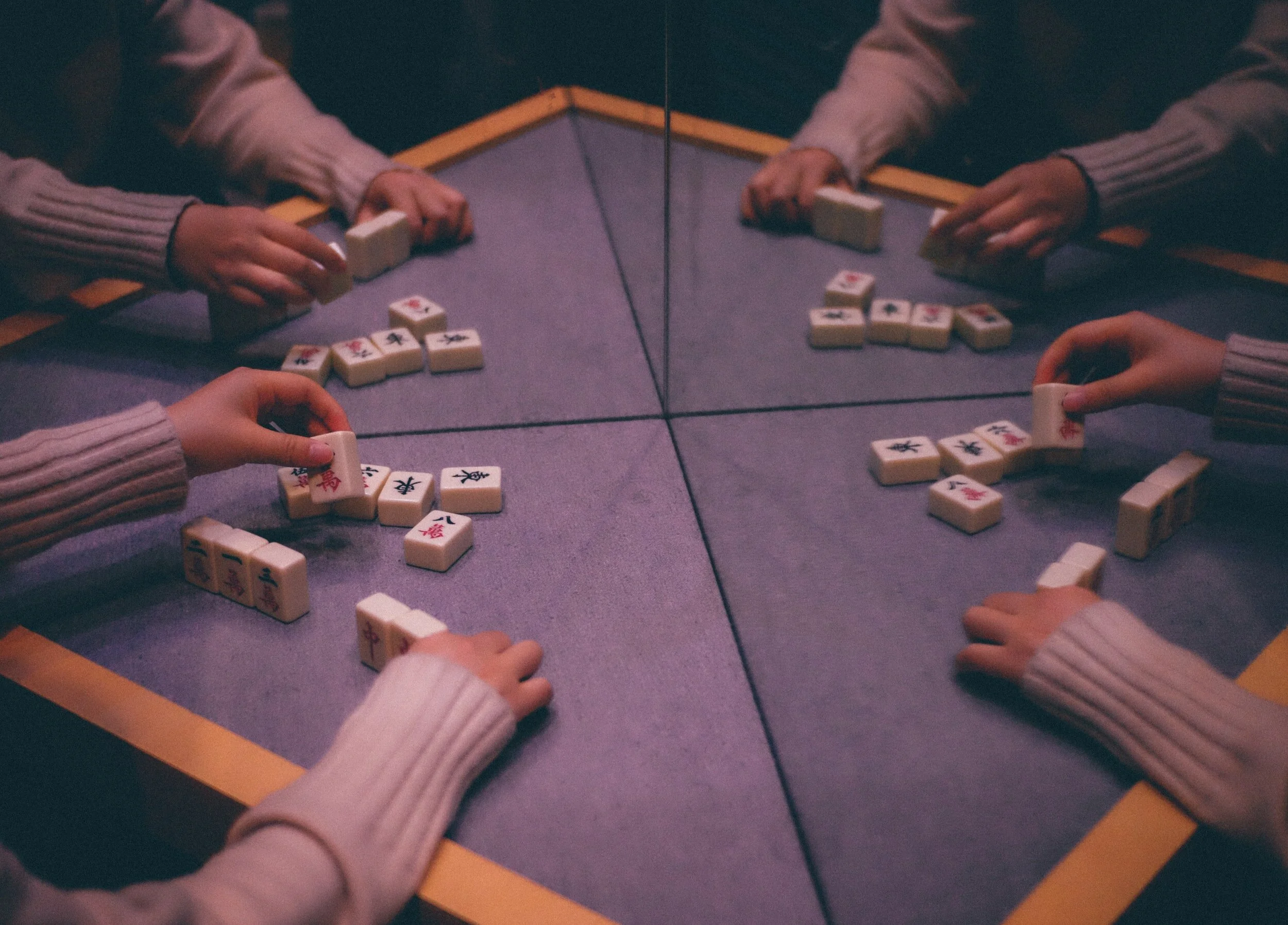
Inside Edition, 2021, 4:45… Many Asian Americans were angered when “The Mahjong Line” went viral for their pricey mahjong sets, which some are calling cultural appropriation. “[It’s] this ownership and profiteering from Asian culture that white America loves to do,” Andrew Ti, of the podcast “Yo, Is This Racist?” told Inside Edition Digital. The founders have since apologized, but is that enough? Inside Edition’s Johanna Li explains.
Vice News, 2020, 11:07… Alzo Slade participates in an “Emotional Emancipation Circle,” an Afrocentric support group created by the Community Healing Network and the Association of Black Psychologists. It’s a safe space for Black people to share personal experiences with racism and to process racial trauma.
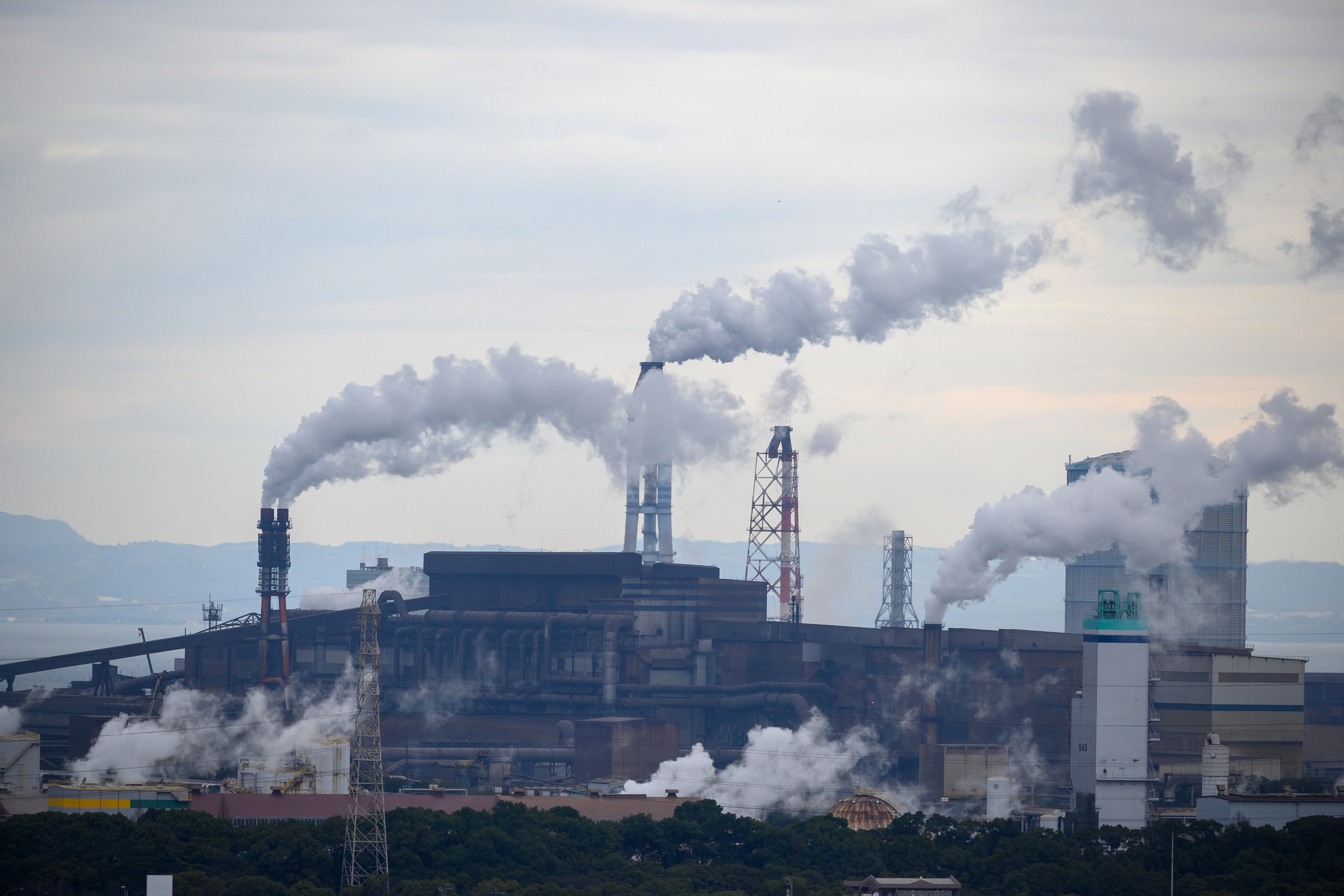
Vox, 2020, 9:02… Across the US, black people are dying from Covid-19 at disproportionately high rates. While there are many different factors at play behind the stark racial disparities — there’s one possible reason that’s been lurking in the air for decades: pollution. The long history of segregation and housing discrimination has long put black people at greater risk of living near chemical plants, factories and highways, exposing them to higher levels of air pollutants. These pollutants have had a chronically negative impact on health, leading to conditions like hypertension and asthma. Now, those same diseases are associated with severe cases of Covid-19, and showing that where you live can determine whether you survive from Covid-19.